


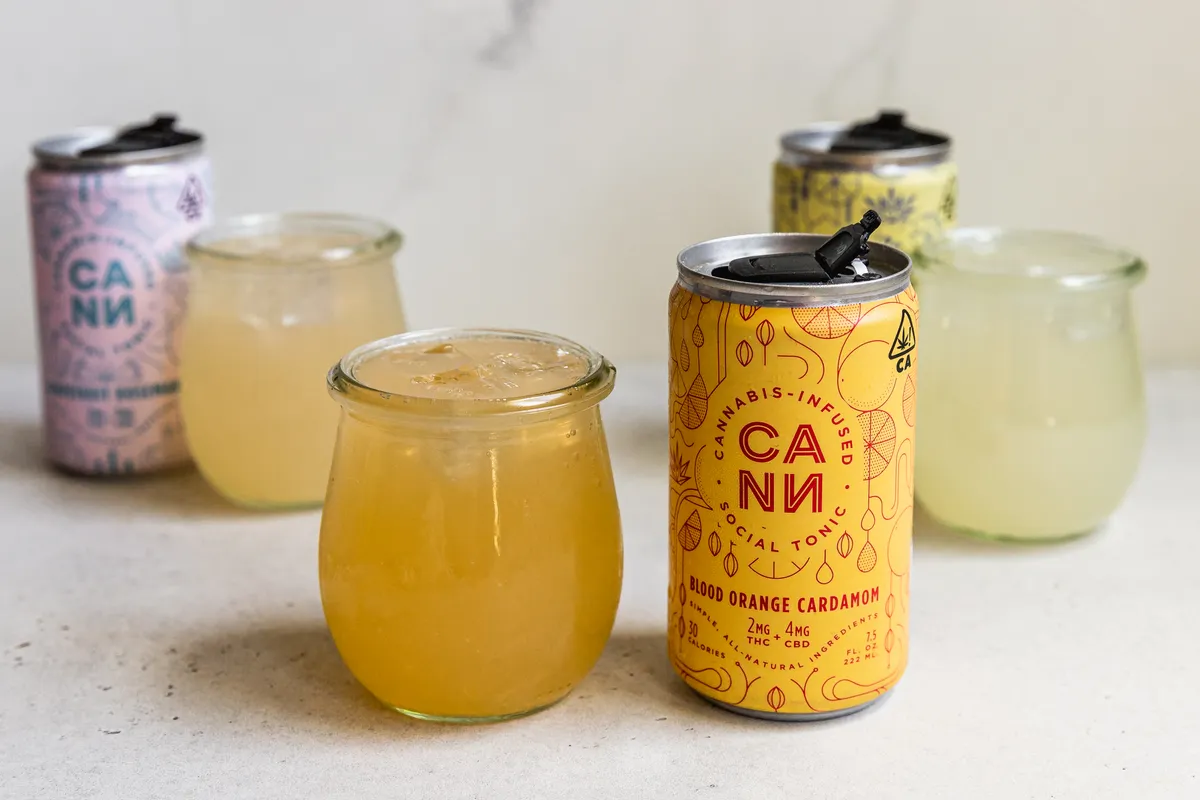
The debate over THC drinks vs alcohol health risks has moved from wellness blogs into peer-reviewed science, and the findings are pulling the conversation in a clear direction, if not yet a simple one. Alcohol, classified as a Group 1 carcinogen by the World Health Organisation, carries a documented burden of harm that cannabis beverages have not yet been shown to match, but researchers are quick to add that “less harmful” and “harmless” are not the same thing.
The shift in public attitudes towards drinking has accelerated noticeably. Where moderate alcohol consumption was once considered relatively benign, accumulating research now links it to liver disease, cardiovascular damage, and at least seven types of cancer. That recalibration has opened space for THC-infused drinks, and a growing number of adults are stepping through it.
What the Study on THC Drinks vs Alcohol Substitution Found
A study published in the Journal of Psychoactive Drugs, and reported by Yahoo Finance, surveyed 438 anonymous adults who reported using cannabis in the past year. The headline figure: 59% of people who consumed cannabis beverages said they had substituted cannabis for alcohol, compared with 47% of those consuming cannabis in other forms. The gap between those two numbers suggests something specific about the beverage format itself, beyond cannabis use in general.
According to SciTechDaily, this is the first study to examine cannabis beverages specifically in the context of reducing alcohol-related harm. That framing matters: it means the evidence base is genuinely in its earliest stages, and the questions researchers cannot yet answer are as informative as the ones they can.
Jessica S. Kruger, Ph.D., M.C.H.E.S., clinical associate professor at the University at Buffalo, whose research underpinned the study, puts it plainly. ‘In our recent study, we found that some adults are using cannabis beverages as a substitute for alcohol, and many reported reducing how much they drink and how often they binge drink,’ she says. She frames the products as a potential harm-reduction tool, while being careful not to declare them safe.
The Risk Profile: Different, Not Absent
Registered dietitian Whitney Stuart, M.S., R.D.N., C.D.E., is direct about alcohol’s standing. Because the WHO has classified it as a Group 1 carcinogen, she says, ‘there is no established safe level of consumption.’ She links it to at least seven types of cancer, liver damage, and disrupted sleep, and adds: ‘While THC beverages are not considered health foods, their documented systemic harms are significantly less than those of alcohol at moderate levels.’
Kruger agrees that the comparison currently favours cannabis drinks, but stresses the framing. ‘Alcohol has a much stronger evidence base linking it to liver disease, cancer, cardiovascular disease, pancreatitis, neurologic harm, and a large overall burden of morbidity and mortality,’ she says. Cannabis beverages do not carry the same documented organ burden. What they do carry are different concerns: impairment, anxiety, paranoia, and potential cardiovascular and dependence risks, depending on the individual.
One practical hazard Kruger flags is the delayed onset. ‘A key problem is that people may drink more before the first dose has fully taken effect, especially if they assume the onset will be immediate like alcohol,’ she notes. That mismatch between expectation and pharmacokinetics is a meaningful safety consideration the category has not yet resolved.
Certain groups should avoid THC beverages altogether or consult a clinician first: those who are pregnant or breastfeeding, have a history of substance use disorder or specific mental health conditions, take interacting medications, or have cardiovascular concerns.
The Unanswered Questions That Shape the Whole Conversation
Kruger is candid about the gaps. Long-term health effects of repeated beverage use remain unknown. Cardiovascular risk by dose and formulation has not been mapped. How beverage pharmacokinetics differ across products is unclear, and the accuracy of THC labelling in real-world products is still in question. The level of impairment that different doses produce, and how co-use with alcohol changes the risk profile, are both unresolved.
As she puts it: ‘Less damaging than alcohol is not the same thing as proven harmless, and long-term beverage-specific data are still limited.’ The study in the Journal of Psychoactive Drugs is a starting point for that evidence base, not a conclusion. With 438 participants and a focus squarely on substitution behaviour, it opens a line of inquiry that will take years of follow-up research to develop properly. Until that body of evidence exists, THC drinks vs alcohol health comparisons will remain directional rather than definitive.