


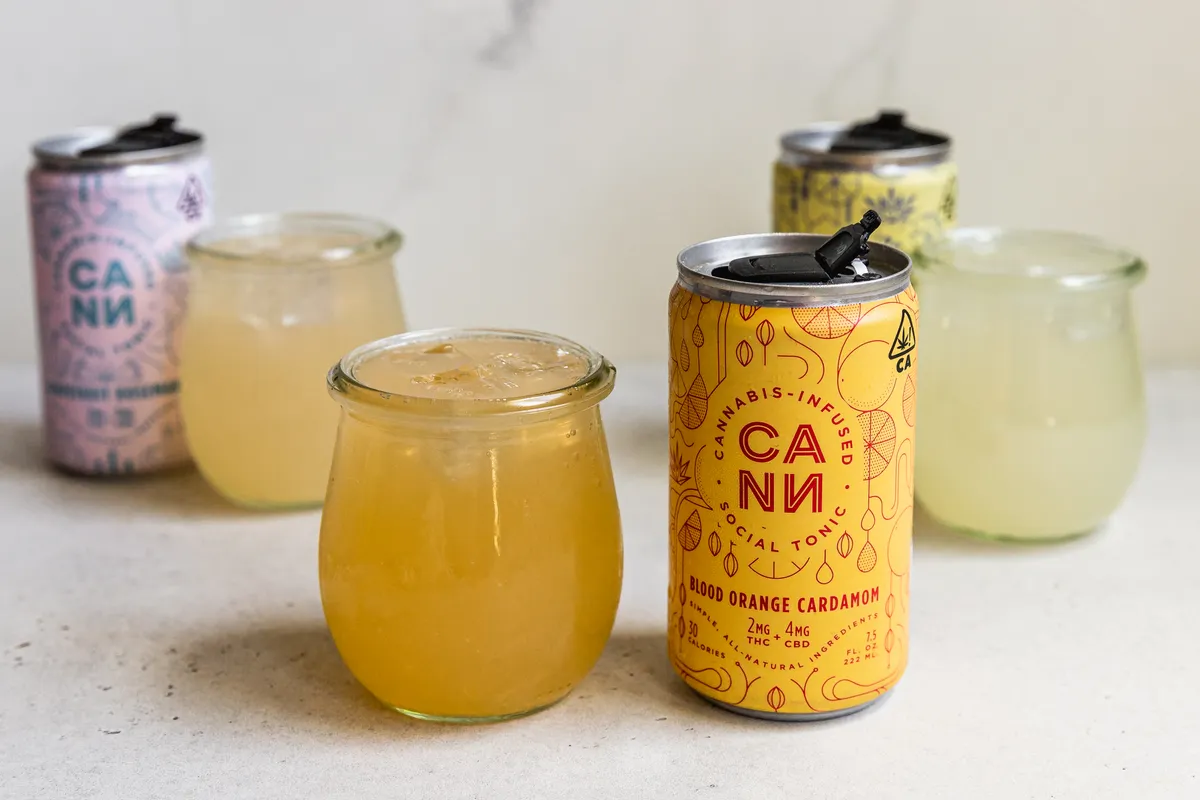
The debate over THC drinks versus alcohol has moved well beyond lifestyle columns and into peer-reviewed research, with scientists beginning to map the comparative health risks of each. Alcohol, classified as a Group 1 carcinogen by the World Health Organisation, carries a long and heavily documented harm profile. Cannabis beverages, by contrast, are newer to the mainstream and carry a much shorter (and still incomplete) evidence trail.
The shift in public conversation around alcohol has been gradual but meaningful. Where moderate drinking was once broadly accepted, and occasionally positioned as beneficial, research has since linked regular consumption to cancer, liver disease and cardiovascular harm. That evolving picture has helped create the conditions in which THC-infused drinks have found a growing audience.
What the Research on THC Drinks Versus Alcohol Found
Jessica S. Kruger, clinical associate professor at the University at Buffalo, has been studying cannabis from a public health perspective, with a specific focus on whether THC beverages might function as a harm-reduction tool. In a recent study, published in the Journal of Psychoactive Drugs according to SciTechDaily, Kruger and her team found that some adults are using cannabis beverages as a substitute for alcohol. Many of those adults reported reducing both how much they drink and how often they binge drink.
‘The short answer is that THC drinks and alcohol carry different risks rather than one being universally safe,’ Kruger said. ‘Alcohol has a much stronger evidence base linking it to liver disease, cancer, cardiovascular disease, pancreatitis, neurologic harm, and a large overall burden of morbidity and mortality.’
Registered dietitian Whitney Stuart framed the alcohol side of the comparison in stark terms. ‘There is no established safe level of consumption,’ she said, citing the WHO carcinogen classification. Stuart added that alcohol is linked to at least seven types of cancer, liver damage and disrupted sleep, even at low doses, and described the documented systemic harms of THC beverages as ‘significantly less than those of alcohol at moderate levels.’
The Risks Cannabis Drinks Still Carry
Kruger is careful not to position THC beverages as a clean bill of health. Products in the category can still impair users, trigger anxiety and paranoia, and may carry cardiovascular and dependence risks. THC affects people differently, and certain groups, those who are pregnant or breastfeeding, have a history of substance use disorder or particular mental health conditions, take interacting medications, or have cardiovascular concerns, should consult a clinician or avoid use altogether.
One practical hazard Kruger flags is the onset problem. Unlike alcohol, which is absorbed relatively quickly, THC beverages can have a delayed effect. ‘A key problem is that people may drink more before the first dose has fully taken effect, especially if they assume the onset will be immediate like alcohol,’ she said. That mismatch between expectation and pharmacology can lead to unintended overconsumption.
On organ health specifically, Kruger draws a distinction without overstating it. The evidence linking alcohol to liver damage is substantial and well established. No equivalent body of evidence exists for THC beverages. But, as she puts it: ‘less damaging than alcohol is not the same thing as proven harmless’, and long-term beverage-specific data remain limited.
Among the questions researchers have not yet answered: the long-term health effects of repeated cannabis beverage use; cardiovascular risk by dose and formulation; how pharmacokinetics differ across products; the accuracy of THC labels in practice; the level of impairment different doses produce; and how co-use with alcohol changes the risk profile. That is a substantial list of unknowns for a product category that is already widely available.
For now, Kruger’s study offers the clearest data point available: some adults are actively substituting cannabis drinks for alcohol and reporting reduced consumption as a result. Whether that translates into measurable long-term health gains remains the central open question her research is working towards answering.