


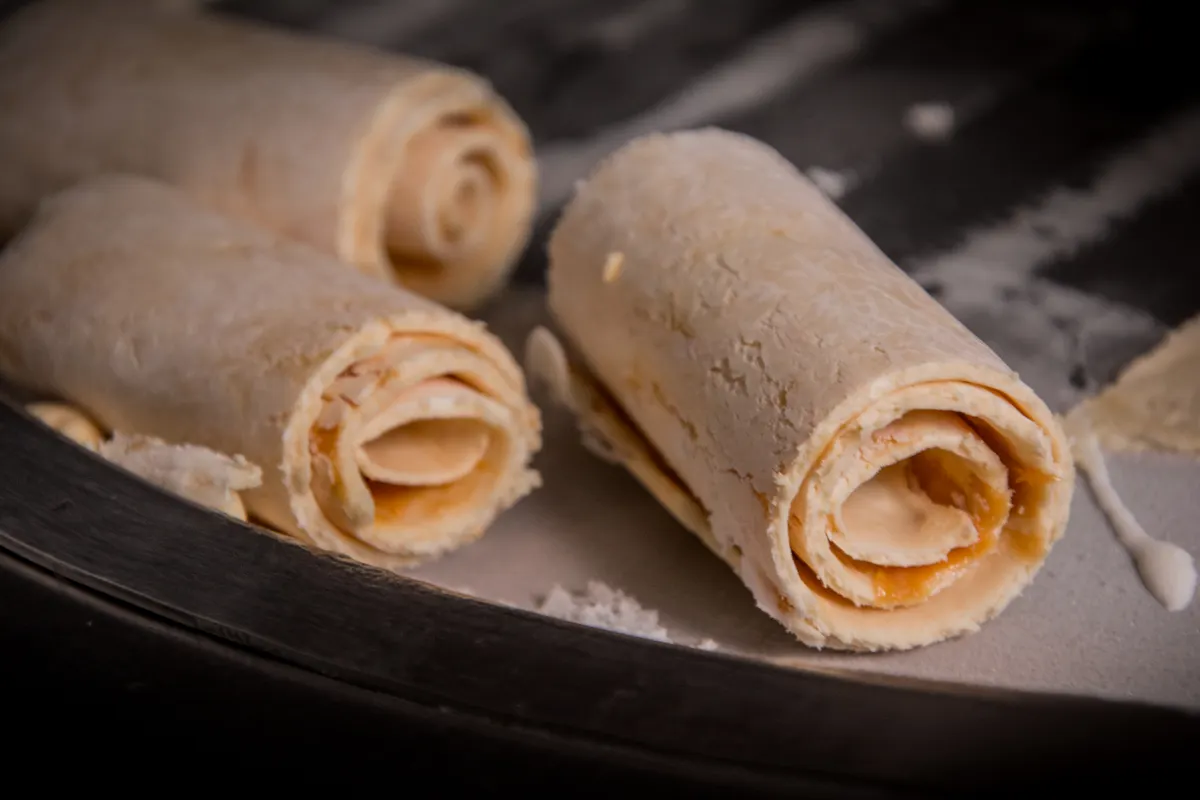
This Delish pumpkin ice cream recipe bridges the gap between summer indulgence and autumn comfort, yielding around five cups of custard-based ice cream with a total time of six hours and fifteen minutes, including churning and freezing.
Parker Feierbach developed the recipe around a single key insight: canned pumpkin puree does more than add flavour. Cooked down in a saucepan until it darkens and begins to stick to the bottom of the pot, the puree naturally thickens the custard base, producing a smooth, scoopable texture without any artificial stabilisers. That cooking stage takes ten to fifteen minutes over medium heat and is where the ice cream’s depth of flavour begins.
Building the Pumpkin Ice Cream Recipe Base
The custard uses two cups each of whole milk and heavy cream, six large egg yolks, and one cup (213g) of packed light brown sugar. The choice of brown sugar over white is deliberate: its toasty, caramelised quality reinforces the warmth of the spices. Egg yolks bring lecithin, a protein that binds fat and water together and gives the finished ice cream its creamy body. The butterfat from the heavy cream and the proteins in the whole milk stabilise the mixture as it freezes, which is why lower-fat alternatives would produce a harder, icier result.
Tempering is the most technically involved part of the process. After bringing the pumpkin, milk and cream to a boil and removing from the heat, you whisk the egg yolks and brown sugar in a separate bowl until pale ribbons form, around three to four minutes. Half of the hot pumpkin mixture is then added to the egg mixture gradually, one ladle at a time, before everything is returned to the saucepan. Cooking over low heat for four to five minutes, stirring constantly and never allowing a simmer, brings the custard to the right consistency. A candy thermometer reading of 170° confirms it is ready, as does the clean-line test on the back of a spoon.
Ground cinnamon, ginger and nutmeg go in at the end, along with pure vanilla extract and a quarter teaspoon of kosher salt. Straining the mixture into a bowl set over an ice bath, then refrigerating for at least three hours and ideally overnight, gives the base the cold temperature it needs before churning.
Churning, Setting and Serving the Pumpkin Ice Cream Recipe
The ice cream maker bowl must be frozen in advance, so planning a day ahead is essential. Churning takes around 50 minutes, scraping the sides occasionally until a soft-serve consistency is reached. The churned ice cream then goes into a freezer-safe container for at least two more hours to harden fully, though overnight produces the best set.
Homemade ice cream is at its creamiest within one week of churning. It will keep in the freezer for up to two months, after which the texture becomes noticeably icy.
For serving, crushed gingersnaps, a drizzle of caramel, or candied pecans all work well alongside the ice cream’s warming spice profile. Feierbach also suggests spooning it over slices of pie as part of a Thanksgiving spread, where the cool creaminess against a warm slice makes for a contrast worth planning around. For those without an ice cream maker, the method can be adapted using a no-churn base of heavy cream and sweetened condensed milk, with the cooked-down pumpkin puree folded in once cooled.
With the freezing and chilling stages both best done overnight, the recipe rewards anyone willing to start it the evening before they plan to serve it.