


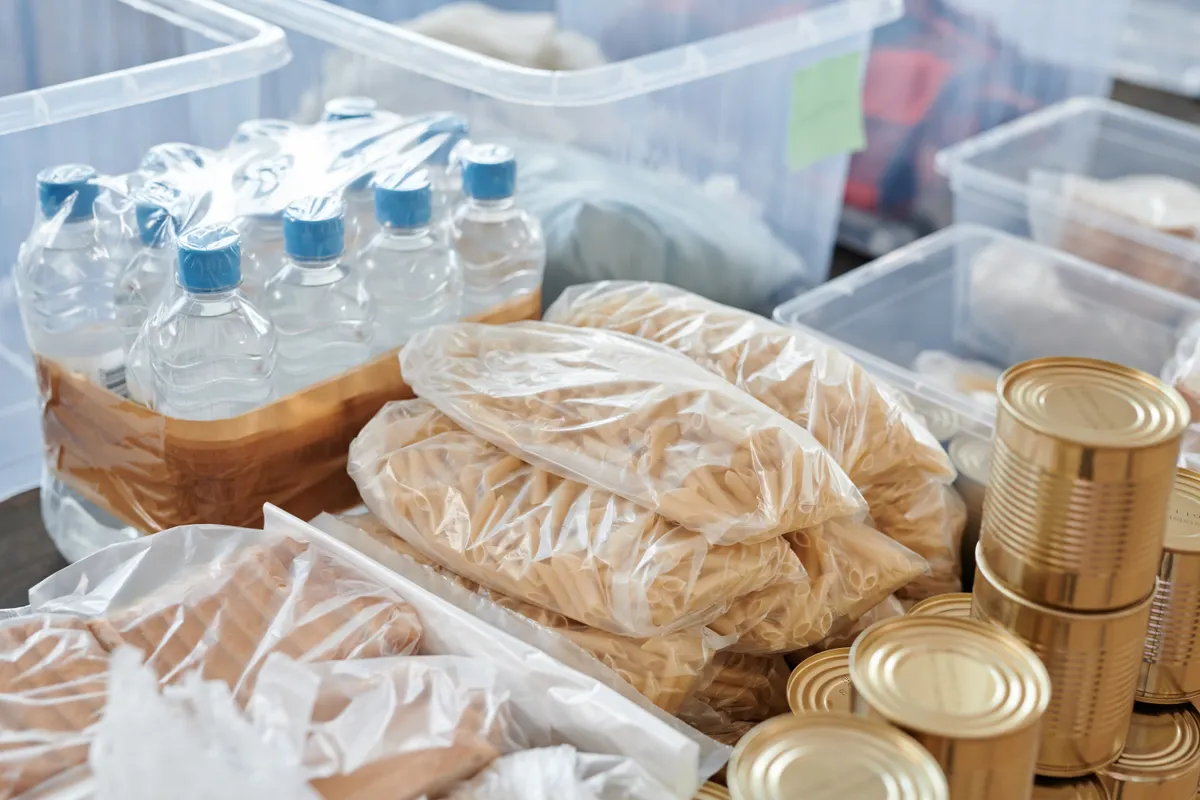
The government has launched the Be Ready campaign, urging every household in the UK to keep up to nine litres of bottled water and a three-day supply of food at home in case of a weather event, cyber incident or other serious emergency. Reporting on the campaign, The Guardian notes that the Cabinet Office guidance is aimed at ensuring people can sustain themselves for 72 hours.
Security minister Dan Jarvis said ‘those who can follow this advice should follow this advice’, describing the measures as ‘simple steps to be ready for everyday emergencies’ and part of a broader effort ‘to improve our resilience as a nation’.
Hybrid threats and hostile states
Defence secretary Wes Streeting broadened the case for preparedness beyond natural disasters, pointing to what he described as ‘state-sponsored terrorism’ by Russia and other hostile powers targeting everyday infrastructure. ‘Terms like hybrid warfare and grey zone threats do not accurately capture or convey to the general public what I prefer to describe as state-sponsored terrorism,’ he said, speaking at a tank gun barrel factory in Telford owned by German manufacturer Rheinmetall.
Streeting added that the threats were ‘not hypothetical but real, and not somewhere else but increasingly here’. He urged households and businesses to consider whether they were prepared and how they would respond ‘in the event of everyday challenges that might manifest themselves’. The Royal Navy has been monitoring Russian spy vessels as they surveil the undersea pipelines and cables that link the UK to mainland Europe and beyond, raising concerns about potential sabotage, though the source notes this would represent a major escalation by Moscow.
The campaign launch was timed ahead of the winter storm season. Tens of thousands of homes were left without power across the Midlands, the south-west and Wales after Storm Goretti in January, with winds reaching nearly 100mph. Ministers also cited concern about the potential impact of a ‘super El-Nino’, a global phenomenon that could make 2027 the hottest year on record and generate uncertain weather patterns affecting food supplies and energy systems.
Cyber vulnerability and European blackouts
The guidance came as 32 UK government websites were taken offline as a precautionary measure after a security flaw was identified in the PHP programming language. Britain’s National Cyber Security Centre sent out 50,000 alerts to affected organisations. In April 2025, Spain and Portugal were left without power for several hours in a cascading failure triggered by voltage instability; around 55 million people were affected in what was described as the worst blackout in Europe in recent memory.
Beyond water and food, households are advised to keep blankets and cash at home, along with a first aid kit and torch with batteries, a wind-up FM radio, and drinking water at a rate of three litres per person each day, with extra needed for cooking and washing. The three-day target would bring the UK into line with France, Ireland and the Netherlands in advising people to prepare for serious disruption.
According to GOV.UK, the government has published resilience advice for households since May 2024, with the new campaign updating the previous ‘Prepare’ website’s messaging and branding while much of the underlying advice remains unchanged. The campaign was built in collaboration with charities and campaigners representing groups including people with insecure housing and people who use foodbanks, to ensure the advice is relevant and accessible.
Ministers acknowledge that the UK has rarely run such public information campaigns, with governments of both parties historically reluctant to be accused of scaremongering. A 1980 campaign, Protect and Survive, advised the public on surviving a nuclear war and recommended building a bomb shelter at home and retaining enough food for 14 days. The new campaign will be followed with advertising on social media and radio, with a focus on families with young children and older people.