


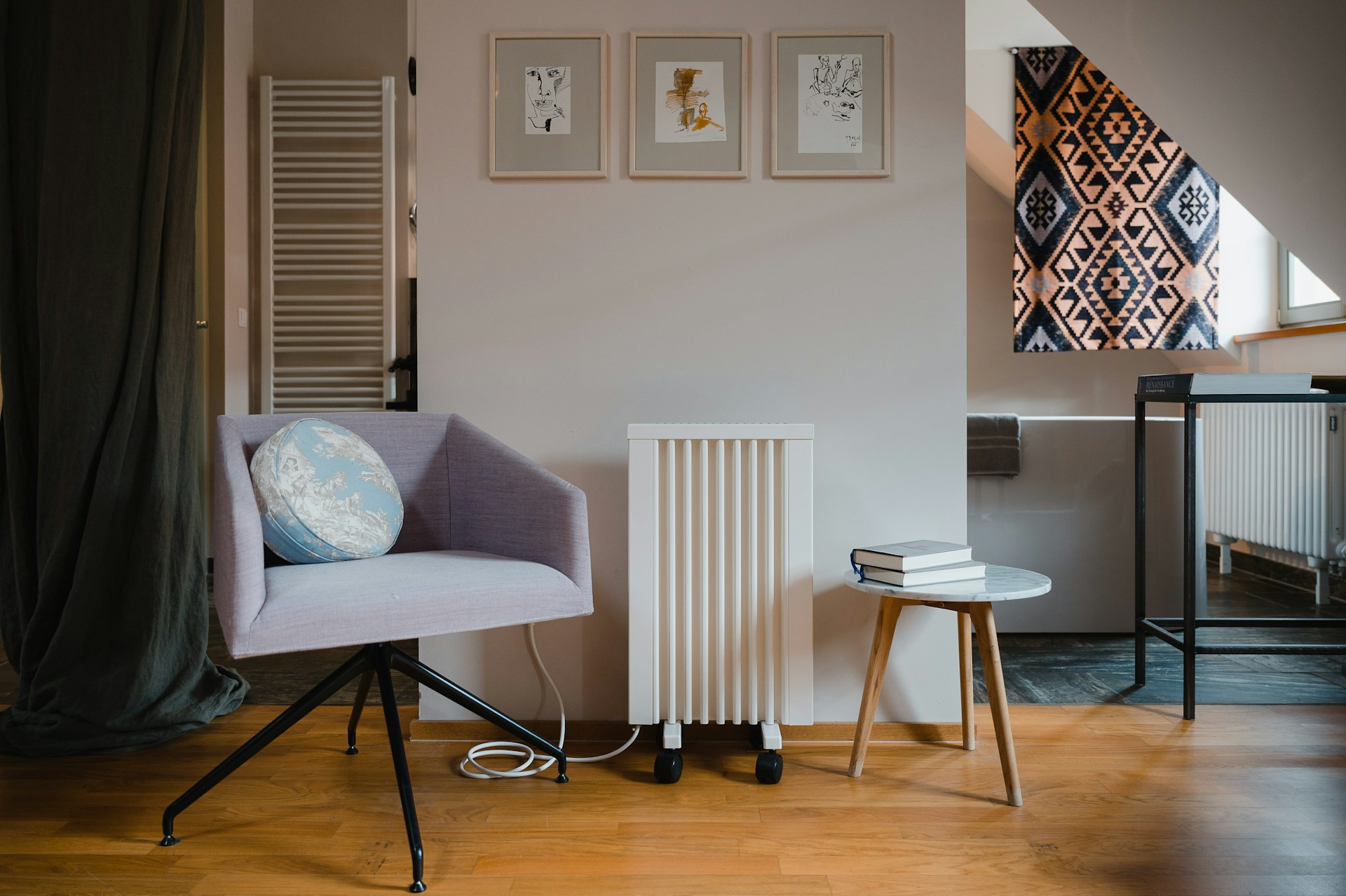
A Quietly Sensible Option in a Noisy Energy World
Every winter, the same conversation rolls around: heating costs, rising bills, and the uneasy feeling that keeping warm shouldn’t feel like a luxury. Somewhere in that mix, electric radiators often get dismissed as old‑fashioned or “too expensive to run,” usually by people who haven’t looked at one since the early 2000s. But if you actually spend time with the newer models — or even just pay attention to how people use them — you start to realise they’re still one of the more affordable, flexible ways to heat a home.
Not glamorous, maybe. But practical in a way that matters.
The Real Appeal: You Heat What You Need, Not the Whole House
One of the biggest reasons electric radiators remain cost‑friendly is almost embarrassingly simple: you only heat the room you’re in. That’s it. No firing up the whole central heating system just to take the chill off the living room. No warming the guest bedroom that hasn’t seen a guest since last Easter.
It’s a small shift in thinking — room‑by‑room heating instead of whole‑house heating — but it’s the kind of shift that shows up on your energy bill. Especially if you work from home, or live in a place where evenings get cool but days stay mild.
Modern Electric Radiators Aren’t the Power‑Hungry Boxes You Remember
There’s a lingering myth that electric heating is automatically expensive. And sure, if you’re using a decades‑old convector heater that sounds like it’s about to take off, you’ll feel it. But modern electric radiators are a different species entirely. They’re built to hold heat, release it slowly, and avoid that frantic on‑off cycling that used to chew through electricity.
Some even have little brains of their own — timers, open‑window sensors, adaptive start features. Nothing flashy, just quiet efficiency. The kind that doesn’t demand attention but makes a noticeable difference over time.
Installation Costs: Or Rather, the Lack of Them
Here’s something people forget: installing a traditional heating system is expensive. Pipes, boilers, labour, disruption — it all adds up. Electric radiators, on the other hand, are almost comically simple. You mount them, plug them in (or have them wired in neatly), and that’s the job done.
No plumber. No upheaval. No “we’ll need to come back next week.” For anyone renovating on a budget — or renting, or just not in the mood for chaos — that simplicity is worth more than most people admit.
Control Is a Kind of Savings Too
There’s a certain satisfaction in being able to tweak the heat in a room without negotiating with a central thermostat that seems to have a mind of its own. Electric radiators give you that control. Want the bathroom warm for twenty minutes before your shower? Easy. Want the bedroom cooler than the living room? Also easy.
And when you’re not heating rooms unnecessarily, you’re not spending unnecessarily. It’s not complicated — just sensible.
A Good Fit for Smaller Homes, Older Homes, and Homes in Transition
Electric radiators shine in places where traditional heating struggles. Older houses with awkward layouts. Apartments where installing gas isn’t an option. Holiday homes that sit empty for stretches of time. Even new builds that are leaning toward electric‑only systems as gas slowly fades from the picture.
They’re adaptable. They don’t demand commitment. They just work.
The Bottom Line: Affordable Isn’t Always About the Price Tag
When people talk about affordability, they often focus on the upfront cost or the price per kilowatt‑hour. But real affordability is a mix of things: installation, maintenance, flexibility, and how much control you have over your usage.
Designer electric radiators tick more of those boxes than most heating options. They’re not trying to be the star of the show — they’re the reliable supporting act that keeps the whole thing running smoothly.
And in a world where energy choices feel increasingly complicated, there’s something refreshing about a solution that’s simple, predictable, and still surprisingly kind to your wallet.
