


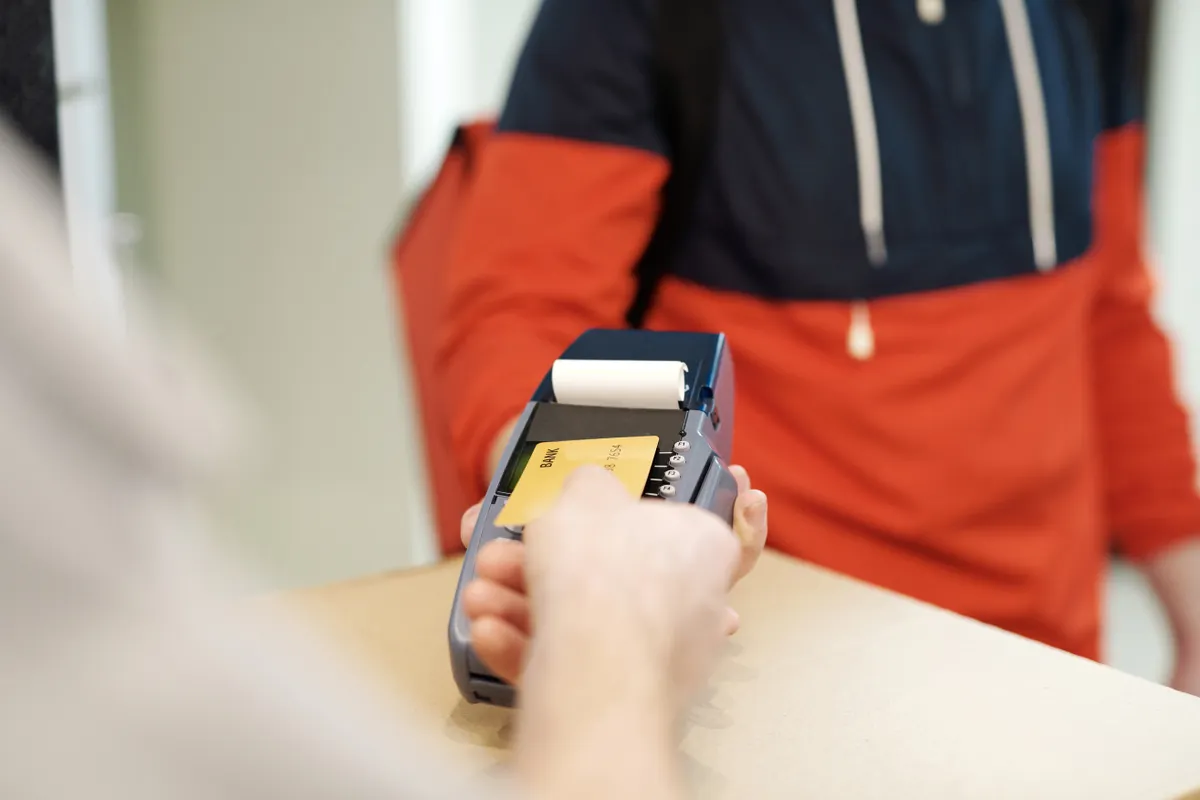
The Walmart contactless payment rollout is under way, with the retailer announcing on 21 August that it will introduce tap-to-pay functionality, including Apple Pay, at select stores from 24 August, with a full extension across all US locations planned by the end of 2026. Fuel stations are scheduled to follow by mid-2027.
The announcement ends a prolonged holdout by one of the world’s largest retailers, which had previously offered contactless payment only through its own proprietary app. While competitors had broadly embraced tap-to-pay technology, Walmart and its Sam’s Club locations remained outliers, leaving customers who relied on mobile wallets without a straightforward option at the checkout.
What the Walmart contactless payment rollout actually covers
The scope of the change is wider than Apple Pay alone. According to Blog Mind 360, Walmart is also adding support for Samsung Wallet, alongside standard contactless debit and credit cards. That breadth matters: a rollout covering multiple wallet platforms and physical card tap functionality addresses a far larger portion of the customer base than a single-platform addition would.
Apple Pay, Samsung Wallet, and tap-to-pay card support will all be available as part of the phased introduction. For shoppers who carry neither a Walmart app nor a physical card as backup, that combination removes the single most common point of friction at the checkout.
‘We want customers and members to have choice in how they pay, so they can check out in the way that works best for them,’ Walmart said in a press release. The company added: ‘It all comes back to giving customers and members more choice and making everyday shopping a little easier, from how they manage their money to how they pay at checkout.’
Why Walmart held out for so long
Walmart’s reluctance to adopt third-party contactless payment systems was longstanding. The retailer had its own tap-to-pay solution embedded in the Walmart app, which served as a workaround but required customers to have the app installed and set up before arriving at the till. Anyone relying on Apple Pay or a comparable wallet as their default payment method had no native option at Walmart checkouts.
That dynamic produced a recognisable scenario for habitual mobile-wallet users: arriving at the register without a physical card, expecting tap-to-pay to work as it does at most other retailers, and discovering it did not. The gap between Walmart and the wider high street on this point had become increasingly hard to justify as contactless payments moved from novelty to default behaviour for a large portion of shoppers.
The announcement covers both Walmart stores and Sam’s Club locations in the United States. The phased approach, beginning with select sites from 24 August before scaling to all stores by end of 2026, reflects the logistical scale involved in updating payment hardware across a network of that size.
With fuel stations added to the roadmap for mid-2027, the full programme represents one of the more substantial payment-infrastructure overhauls any major US retailer has undertaken in recent years. The addition of Samsung Wallet alongside Apple Pay ensures the change is not simply a concession to one ecosystem but a broader shift in how Walmart is positioning its checkout experience going forward.