


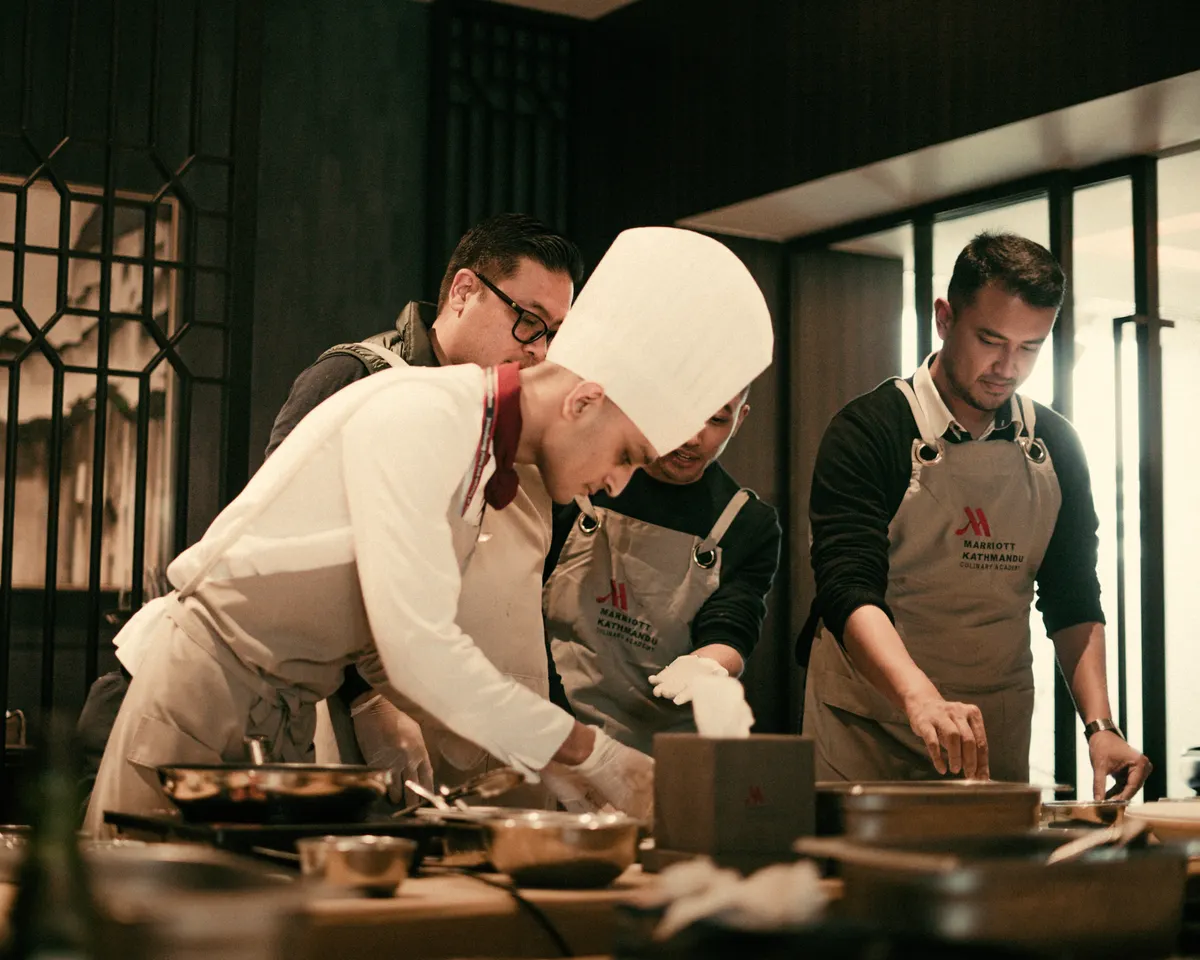
Cooking classes for parents are emerging as a practical tool for households struggling with picky eaters and repetitive menus, with two mothers crediting structured tuition for genuine shifts in how their families approach food. The cost of in-person lessons averages around $50 per session nationwide, according to Raising Healthy Families, a price point that has not stopped parents from signing up when the alternative is another evening of refused plates.
Technique Over Recipes: What Cooking Classes for Parents Actually Deliver
Jenna Davis, a mum of three, came to cooking classes with more culinary background than most. She had trained under a chef for a year in her twenties, so the technical side of the kitchen was never her problem. ‘Once I had kids, I realised that knowing how to make “fancy” food and knowing how to make food my kids would actually eat were two very different things,’ she says.
Rather than hunting for the one failsafe recipe her children would tolerate, Davis signed up for hands-on classes focused specifically on cooking for children. What she took away was less about individual dishes and more about method: how to make healthy ingredients look appealing, how presentation shapes a child’s response, and how to pull children into the cooking process itself. ‘Cooking for kids is its own skill set,’ she says.
The practical results were immediate. Instead of serving broccoli and hoping, Davis began roasting it until the edges crisped, pairing it with a dipping sauce her children already liked, or letting them toss it in seasoning before it went into the oven. The shift in involvement changed the dynamic at the table.
One of the more telling examples from Davis’s new repertoire is okonomiyaki, a savoury Japanese pancake that has become a regular favourite. ‘I make a whole show of cooking it on the griddle, and my kids are so excited about the experience that they don’t even realise they’re eating mostly cabbage,’ she says. The performance around the meal, as much as the food itself, is what makes it land.
‘Rather than feeling like I was constantly trying to convince my kids to eat something healthy, I learned how to take the culinary techniques I already knew and make them more approachable,’ Davis adds. ‘My kids are still picky, but I’ve learned that they are much more excited about food when they feel like they have some ownership in it.’
Breaking the Loop: How Cooking Classes for Parents Expand the Weekly Menu
Angela Acevedo, a mum to a teenage son, arrived at a similar problem from a different direction. Faced with a picky eater and a desire to avoid conflict at dinner, she had gradually narrowed the weekly menu to a short list of guaranteed hits. ‘Eventually, we were both bored,’ she says.
Her solution was to enrol in virtual cooking classes through Nourish and Gather. The goal was not to introduce unfamiliar foods wholesale, but to give familiar ingredients different roles on the plate. Chicken, vegetables and rice might become a stir-fry one night, tacos on another, or a rice bowl with rotating toppings. Ground beef could appear in burgers, meatballs or stuffed peppers. Vegetables that were already acceptable raw could be roasted, blended into a sauce, or folded into quesadillas.
‘My main goal was to learn how to use familiar ingredients in different ways so we could expand our meal choices without making food feel completely unfamiliar to my son,’ Acevedo says. The ingredients stayed recognisable; the flavours, textures and presentation shifted enough that dinner no longer felt like a rerun.
Both accounts point to the same underlying argument: the value of cooking classes for parents lies less in producing elaborate meals than in widening the options available within meals that children will actually eat. Involvement, presentation and flexible use of familiar staples each emerged as more durable tools than any single recipe.
Davis frames it plainly. ‘Turning meals into an experience has made a big difference because I can still prioritise fresh, healthy ingredients, but I’ve learned how to make them approachable, fun, and something my kids genuinely look forward to eating.’ At around $50 a session, the question for many households is whether that shift in confidence and technique is worth the outlay, and for Davis and Acevedo, the answer was straightforwardly yes. Details on class formats and costs can be found via Northwestern University’s Medill School of Journalism-trained reporters who have covered the sector, but the clearest evidence remains on the plates of two families who no longer dread the question of what’s for dinner.