


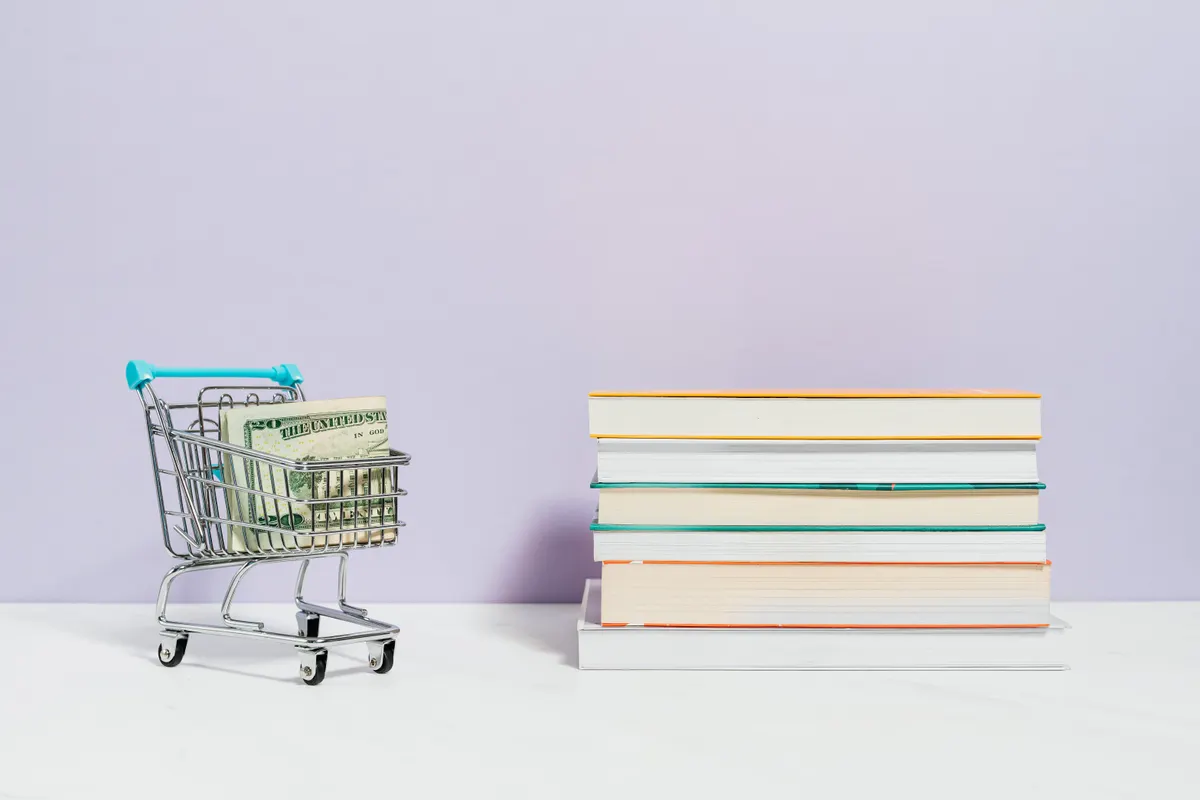
Three teachers with classroom experience across the United States have set out their back-to-school shopping tips, cutting through the seasonal marketing frenzy to identify where families genuinely need to spend and where they are likely wasting money. The advice is timely: according to HomeTown Bank, families may spend anywhere from $875 to over $1,365 per child depending on their age and school level, making strategic planning more than a nice-to-have.
Why Back-to-School Shopping Tips Matter More Than Ever
The pull of back-to-school season is not difficult to understand. Fresh stationery, character-branded lunchboxes, and colour-coded folders carry a genuine appeal for children and, if we are honest, for parents too. The problem is that the excitement tends to outpace the reality of what a classroom actually requires. Displays go up in shops as early as July, online retailers compete aggressively on price and convenience, and the cumulative cost of item after item adds up before most families notice.
Each of the three teachers below works at a different school level and in a different part of the country, and their perspectives reflect those differences. What they share is a consistent message: start with the basics, wait for the official list, and be deliberate about where you spend a little more.
Start With Basics, Not the Bells and Whistles
Sofia Bella, an elementary school art teacher in Las Vegas, makes the case for budget-friendly versions of consumable supplies. Folders, pencils, erasers, and glue sticks are the obvious candidates. ‘By the end of the school year, most of those supplies are going to be lost, used up, or gone,’ she says. Premium headphones are a particular red flag. ‘I’ve seen parents buy really nice Bluetooth headphones that light up or have cute ears, and they are broken within the first month,’ Bella says. The same logic applies to anything fragile that will spend its days being shoved into a backpack or dropped on a playground.
Her recommended splurge is a reusable water bottle. ‘A sturdy water bottle is something students can actually use every single day and refill at school,’ she says. Bella specifically points to the Owala Kids’ FreeSip, citing its snap lid and straw design as features that reduce spills and make it manageable for younger children. She also encourages parents to include at least one item chosen purely for the child’s enjoyment, whether that is a Minecraft-branded lunchbox, a personalised pencil box, or a large set of markers. ‘Kids really do light up over those little things that feel personal to them,’ she says.
Josh King, a kindergarten teacher in Bakersfield, California, addresses the timing problem directly. The temptation to get ahead of the season and buy early is understandable, but King argues it routinely leads to wasted money. His advice is to wait for the teacher’s official supply list before purchasing anything beyond the most basic items. ‘Don’t feel rushed to get everything before school starts,’ he says, ‘because chances are they won’t need anything specific until after the first day or back-to-school night.’
HomeTown Bank notes that many schools now upload their supply lists to platforms such as TeacherLists, which gives families a straightforward way to check exactly what is required before walking into a shop or adding items to an online basket. That step alone can prevent the common scenario of buying duplicates or categories a teacher will not use.
King also offers a practical framework for managing a child’s desire for character-covered or sparkly items, which he acknowledges are hard to argue against in the moment. His ten-to-one rule is straightforward: for every ten functional items purchased (pencils, crayons, paper, a binder, individual notebooks) the child gets to choose one item for pure enjoyment. ‘For every ten items you buy, let your child buy one thing that might make them smile or happy for the year,’ he says. The rule gives children a degree of ownership over the process while keeping the cart from filling with marked-up novelty products.
Catherine Coyle, a second-grade teacher in Atlanta, focuses on where families lose money without realising it. Her first suggestion is to compare prices in person rather than defaulting to online shopping. She says supplies tend to be significantly cheaper in store than online, a gap worth investigating before checkout. Her second warning is about premade supply kits. ‘They often include extra materials you don’t need and aren’t as cost-efficient as buying supplies individually,’ Coyle says. The convenience of grabbing a single box comes at a price, and that price is rarely justified by the contents.
For items worth spending more on, Coyle points to Staples own-brand products such as scissors and a stapler, both of which she says have lasted her years. They are not children’s backpack essentials, but for at-home projects and packet-making they earn their place.
The collective picture these three teachers draw is one of patience and prioritisation. Wait for the list, cover the basics first, keep consumables cheap, and reserve any extra budget for durable items or the one purchase that makes your child genuinely excited for September.